How Often Should You Have an Eye Exam? A Guide by Age
13 June 2026 · By EyeCare.mu · Updated 17 June 2026
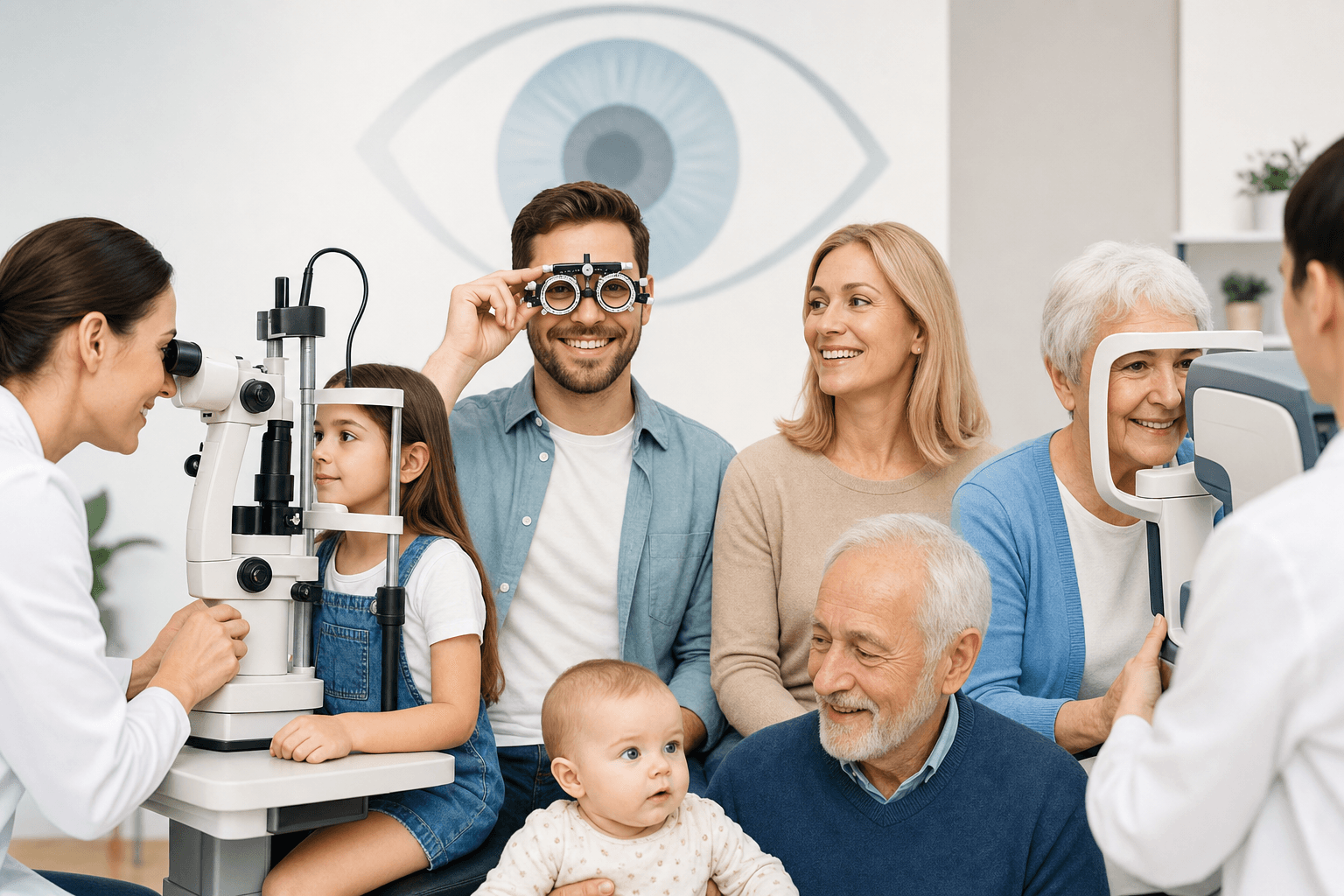
Regular eye exams do more than check whether you need glasses. They help an eye care professional spot conditions early, often before you notice any change in your vision. Many eye problems develop slowly and silently, so a routine check can make a real difference. How often you should be examined depends mostly on your age, but also on your health and family history. Here is a calm, practical guide for every stage of life.
Babies and young children (birth to 5 years)
A child's eyes and brain are still learning to work together in the early years, so vision problems caught now are usually easier to treat. Newborns are typically given a basic eye check soon after birth. After that, your doctor or paediatrician will look at your child's eyes during routine health visits.
A more thorough eye exam is helpful around the age of 3 to 5, before a child starts school. This can pick up a lazy eye (amblyopia), a turned eye (squint), or a need for glasses. Treating these conditions while a child is young gives the best results.
Watch for an eye that drifts or turns, squinting, sitting very close to the screen, frequent eye rubbing, or tilting the head to look at things. If you notice any of these, arrange a check sooner rather than later.
School-age children and teenagers (6 to 17 years)
For school-age children with no known problems, an eye exam every one to two years is a sensible routine. Good vision matters for learning, reading the board, and sport. Because children do not always realise their sight is blurry, they may not complain, so regular checks are valuable.
If your child already wears glasses or has been told they have a vision condition, follow the schedule your eye care professional gives you, which is often once a year. Signs worth acting on include complaints of headaches, blurry or double vision, difficulty reading, or losing their place on the page.
Young and middle-aged adults (18 to 39 years)
If you are an adult in this group with healthy eyes and no symptoms, an exam every two years is a reasonable guide. Many people in this age range see well and feel no need to visit, which is understandable, but a periodic check is still worthwhile.
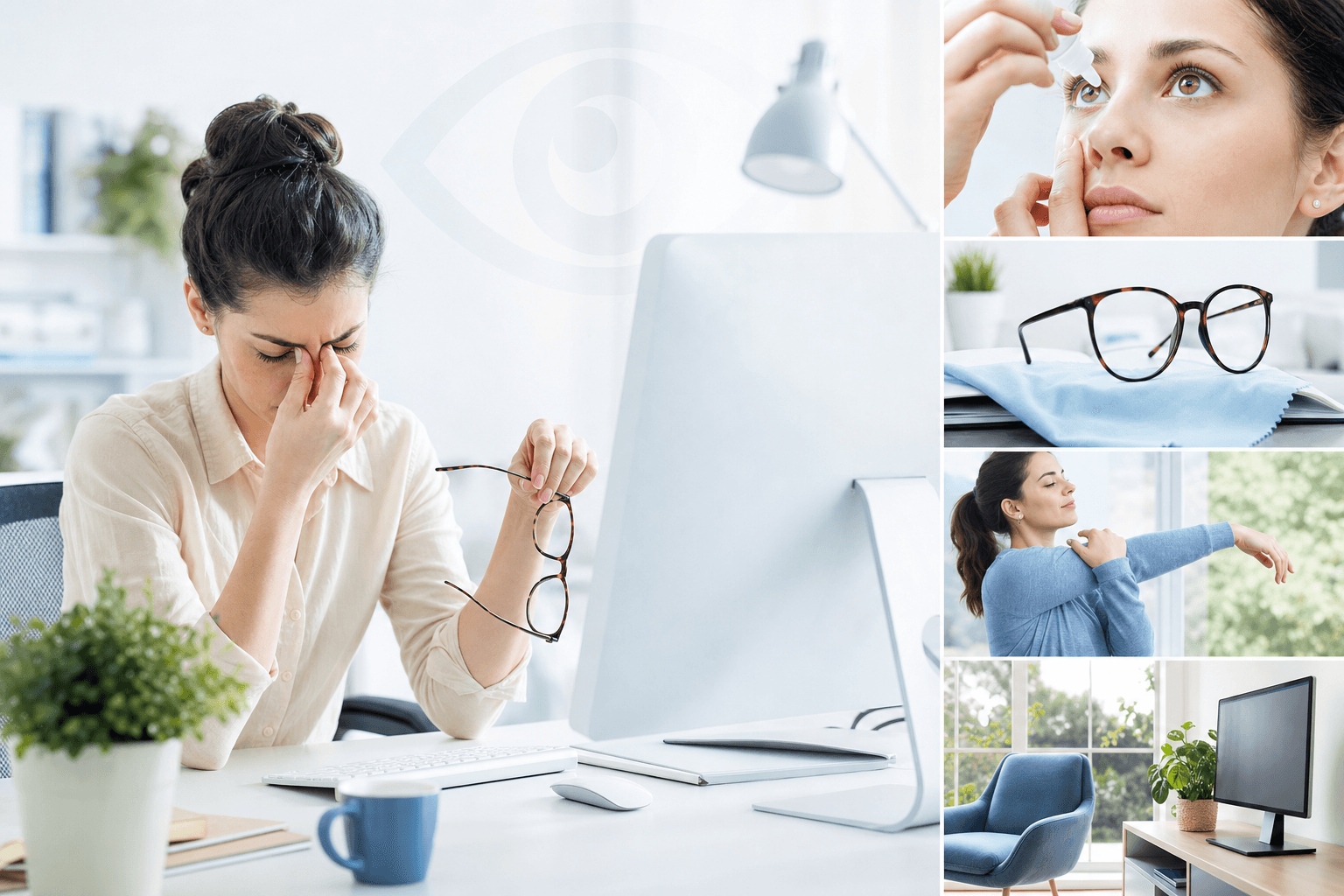
A few situations call for more frequent visits. If you wear contact lenses, you will usually need a yearly check to keep your eyes healthy. If you have diabetes, an eye condition, or a strong family history of eye disease, your professional may recommend annual exams. The same applies if you spend long hours on screens and notice ongoing strain, dryness, or headaches, since simple adjustments can help.
Adults aged 40 to 64
Around the age of 40, small changes often begin. Many people find it harder to focus on close objects, a normal age-related change called presbyopia. This is when reading glasses or new prescriptions commonly enter the picture.
This is also the age when the risk of certain conditions, such as glaucoma, slowly rises. Glaucoma in particular can develop without any early symptoms, which is exactly why routine exams matter. A check every one to two years is a good general rule, or yearly if you have diabetes, high blood pressure, or a family history of eye disease.
Adults aged 65 and over
After 65, a yearly eye exam is generally recommended. The risk of cataracts, glaucoma, age-related macular degeneration, and diabetic eye changes increases with age, and many of these respond well to early care.
Clear vision also supports safe daily living. Good sight helps with reading, recognising faces, and moving around confidently, and it lowers the risk of falls. If you notice cloudy or dim vision, glare at night, dark or empty areas in your sight, or that straight lines look wavy, do not wait for your next scheduled visit. Have your eyes checked promptly.
When to seek care between scheduled exams
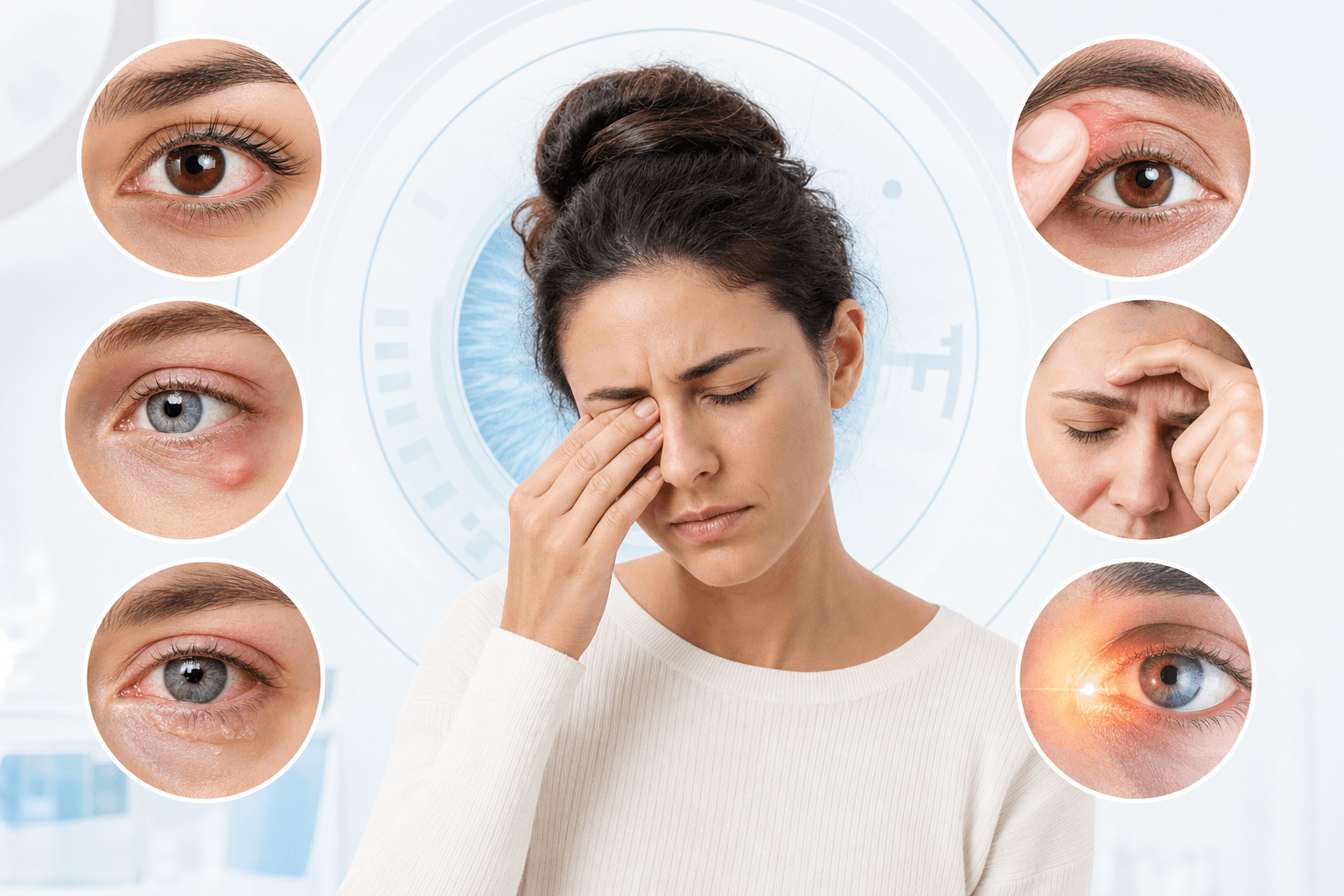
Some symptoms should never wait for a routine appointment. Seek professional care quickly if you experience sudden loss of vision, sudden blurring, flashes of light, a shower of new floaters, a curtain or shadow across your vision, eye pain, or redness with reduced sight. These can be signs of a condition that needs urgent attention. Trust your instincts. If something feels suddenly wrong with your eyes, it is always reasonable to get checked.
This article offers general education and is not a substitute for personalised advice from your own eye care professional, who can tailor recommendations to your needs.
A calm, practical takeaway
The simplest way to protect your sight is to make eye exams a regular habit rather than something you only do when a problem appears. As a rough guide, think every one to two years for most healthy adults, yearly once you reach 65 or if you have a condition like diabetes, and age-appropriate checks for children. Between visits, pay attention to changes and act on anything sudden. Looking after your eyes is steady, ordinary care, and a routine appointment is one of the kindest things you can do for your future self.
Clear vision supports a fuller, healthier life. Explore the wider Medtech health ecosystem.