Dry Eyes or Something More? A Practical Guide to Burning, Gritty Eyes
1 July 2026 · By EyeCare.mu

Why your eyes may feel dry, gritty, or burning
Dry eye is one of the most common eye complaints, and it can affect people of any age. It happens when your eyes do not make enough tears, or when the tears they make are poor quality and evaporate too quickly. Tears are more than just water, they help keep the eye surface smooth, nourished, and protected from irritation.
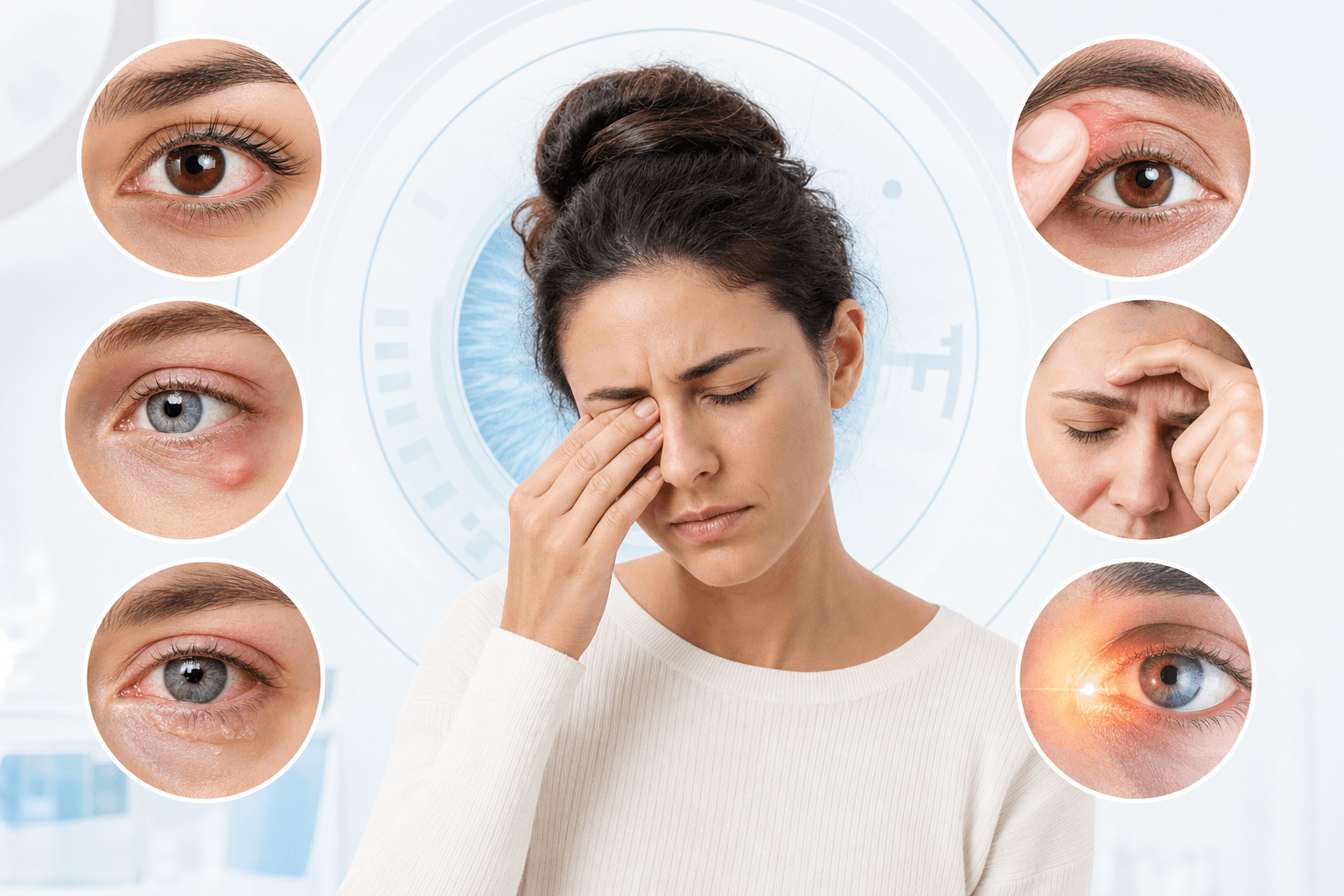
Symptoms often include burning, stinging, a gritty or sandy feeling, redness, blurred vision that comes and goes, watery eyes, and discomfort when reading or using screens. That last symptom can feel confusing, but watery eyes can actually be a sign of dryness. When the eye surface is irritated, the tear system may produce reflex tears that do not provide lasting relief.
Common triggers and risk factors
Dry eye is often linked to everyday factors. Extended screen use can reduce blinking, which allows tears to evaporate faster. Air conditioning, fans, wind, smoke, and dry indoor air can also make symptoms worse.
Age is another factor, since tear production often decreases over time. Hormonal changes, especially after menopause, can contribute as well. Some medicines, including antihistamines, antidepressants, blood pressure medicines, and acne treatments, may also cause or worsen dryness.
Certain health conditions raise the risk too, such as rosacea, thyroid disease, rheumatoid arthritis, and Sjögren’s syndrome. Contact lens wear can increase irritation, particularly if lenses are worn too long or not cleaned properly. In Mauritius and other warm climates, heat, sun, and air-conditioned spaces can create a cycle of dryness that is easy to overlook.
What you can try at home
For mild dry eye, simple changes often help. Start with your environment. If possible, avoid direct airflow from fans or air conditioners, and consider using a humidifier in very dry rooms. Outside, wraparound sunglasses can help reduce wind and sun exposure.
Blinking more often during screen time can make a real difference. A useful habit is to pause every 20 minutes, look away from the screen, and blink fully a few times. If you work at a computer for long periods, place the screen slightly below eye level so your eyes are less open and tears evaporate more slowly.
Over-the-counter artificial tears can relieve symptoms, but not all drops are the same. Preservative-free drops are often better if you need them frequently or if your eyes are sensitive. Some drops are designed for occasional use, while others are thicker and last longer. A pharmacist or eye care professional can help you choose the right one.
Warm compresses and gentle eyelid cleaning can also help if the problem is related to oily tear quality or blocked eyelid glands. The oil layer of tears slows evaporation, so improving eyelid gland function may reduce symptoms over time. Be gentle, and avoid aggressive rubbing, which can irritate the eye surface further.
When dry eye may need medical treatment
If symptoms persist despite home measures, it is worth seeing an eye care professional. Dry eye can be part of a larger problem, such as eyelid inflammation, allergy, medication side effects, or an autoimmune condition. An eye exam can help identify the cause and guide treatment.
Depending on the findings, treatment may include prescription anti-inflammatory drops, treatments for eyelid disease, tear duct plugs in selected cases, or a review of medicines that may be contributing. Some people need a step-by-step plan rather than one quick fix, because dry eye is often chronic and tends to improve most when several triggers are addressed together.
It is also important to check whether another condition is causing symptoms that feel like dryness. Allergies, infection, corneal irritation, and contact lens complications can all overlap with dry eye. Blurry vision, pain, or light sensitivity should not be assumed to be simple dryness without evaluation.
Red flags you should not ignore
Most dry eye symptoms are not emergencies, but a few warning signs need prompt medical attention. Seek urgent care if you have severe pain, sudden vision loss, marked light sensitivity, a foreign body sensation after injury, chemical exposure, or one eye that becomes much redder than the other. These signs can point to corneal injury, infection, or inflammation that needs fast treatment.
You should also get checked soon if your symptoms are affecting work, driving, reading, or contact lens wear, or if you find yourself using drops many times a day without lasting relief. Frequent dependence on eye drops can be a clue that the underlying cause needs proper assessment.
A practical plan for lasting relief
A good dry eye plan usually combines habits, environmental changes, and the right treatment for the cause. Start by reducing triggers, blink more often, and use lubricating drops appropriately. If you wear contact lenses, review fit, hygiene, and wearing time. If your symptoms are new after starting a medicine, ask whether dryness is a known side effect.
Most importantly, do not accept ongoing discomfort as normal. Dry eye may be common, but it is not something you simply have to live with. With the right approach, most people can reduce irritation, protect the eye surface, and feel more comfortable day to day.
If your eyes are frequently burning, gritty, or watering, an eye exam can help determine whether this is simple dryness or something else that needs treatment. Early attention can prevent symptoms from becoming persistent and easier to manage.
Clear vision supports a fuller, healthier life. Explore the wider Medtech health ecosystem.